


Today we will explore two terms that are often confused but appear in many areas: concave and convex. These words may be new to you, or you may have seen them explained differently.
In this post, we will clarify what makes concave and convex different, explain why they can be confusing, and provide practical examples to help you remember their meanings.
By the end of this post, you should be able to identify concave and convex shapes with confidence. 😉
Index
The Difference Between Concave and Convex
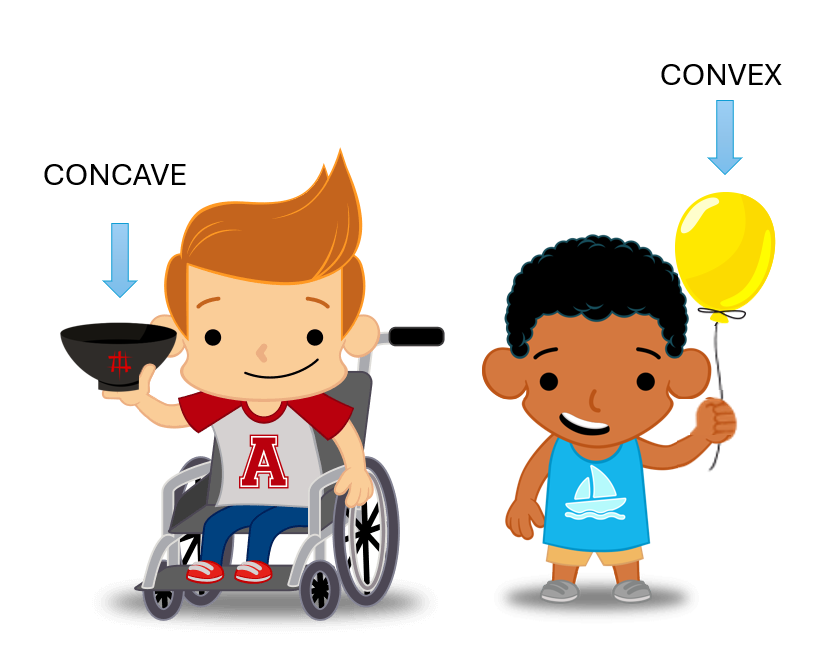
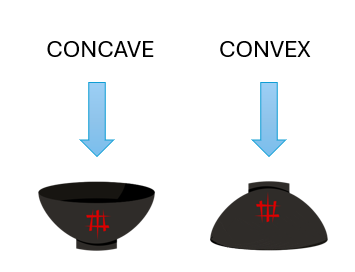
- In everyday situations, “concave” describes surfaces or shapes that curve inward or are indented. For example, when you look down into a bowl, the inside surface is concave. “Convex” describes surfaces or shapes that curve outward, like the outside of a ball.
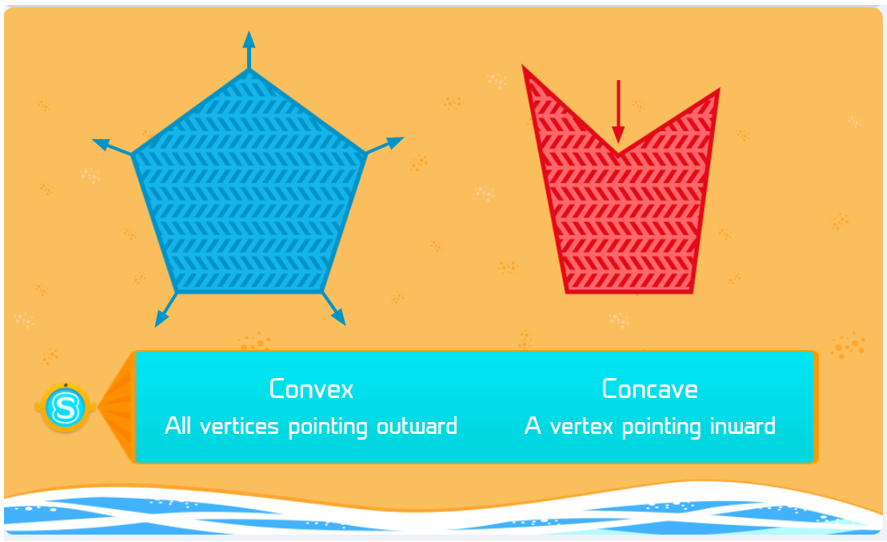
- In mathematics, the terms “concave” and “convex” describe certain properties of shapes, such as polygons, and the curves of functions.
- In mirrors and lenses:
- A concave mirror has a surface that curves inward. These mirrors can focus light and are often used to make images appear larger.
- A convex mirror has a surface that curves outward. This type of mirror causes images to appear smaller and provides a wider field of view.
- Concave lenses are thinner in the center than at the edges. They are often used in eyeglasses to correct nearsightedness, helping people see distant objects more clearly.
- Convex lenses are thicker in the center than at the edges. These lenses correct farsightedness, making nearby objects easier to see.

- In nature, concave shapes include valleys, lakes, and craters on the moon. Convex shapes appear in mountain peaks, hills, and a turtle’s shell.
Concave

Convex

Concavity
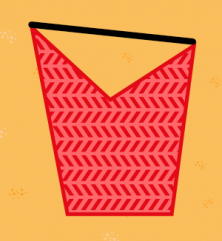
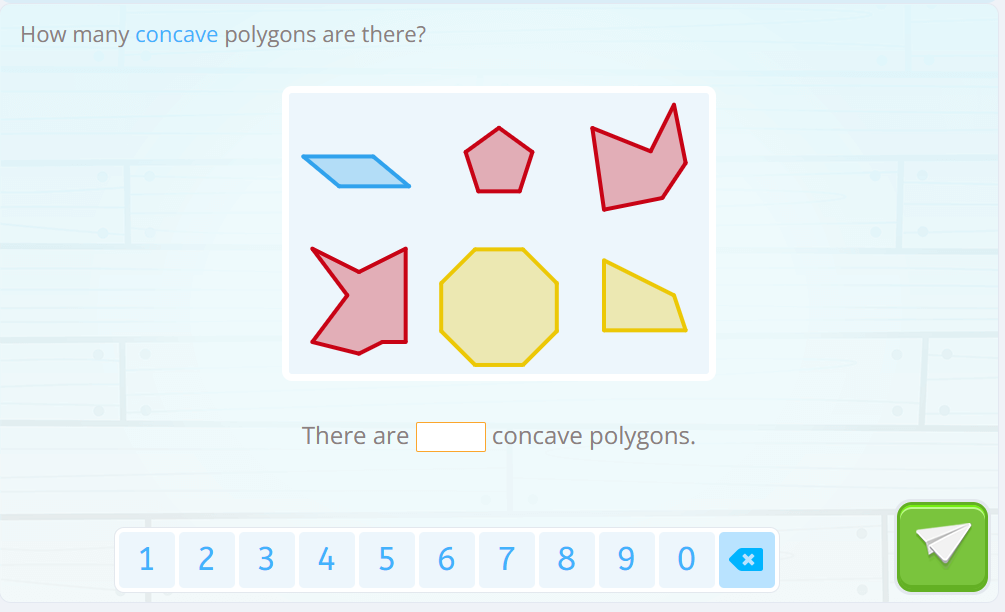
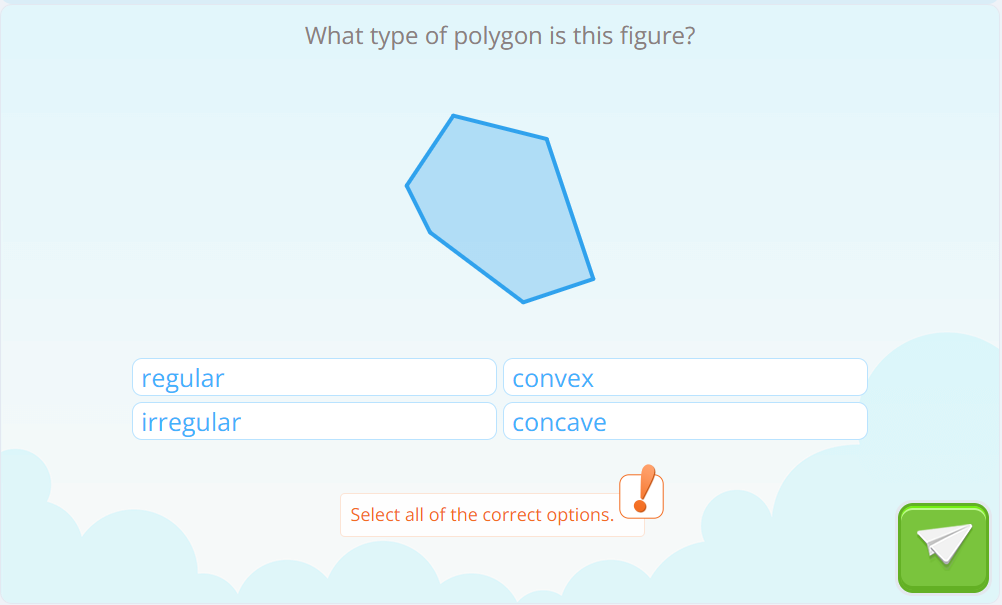
- Concave surfaces or shapes: A surface is concave when a line drawn between two points on it can extend beyond the shape because the shape is sunken or curved inward.
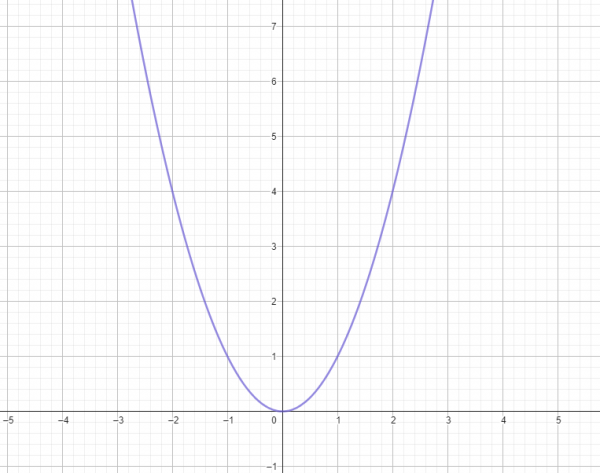
- Concave curve: For functions, and especially to reach a mathematical consensus on how to name them, we decided to call functions with positive curvature concave curves when viewed from the top of the image.
Convexity
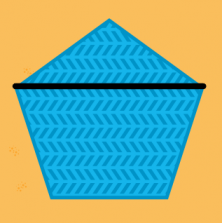
- Convex surfaces or figures: A surface is convex if, when drawing a line between any two points on that surface, the line always lies within the figure. This is clear in circles, but it also holds for regular polygons, which have equal sides and angles.
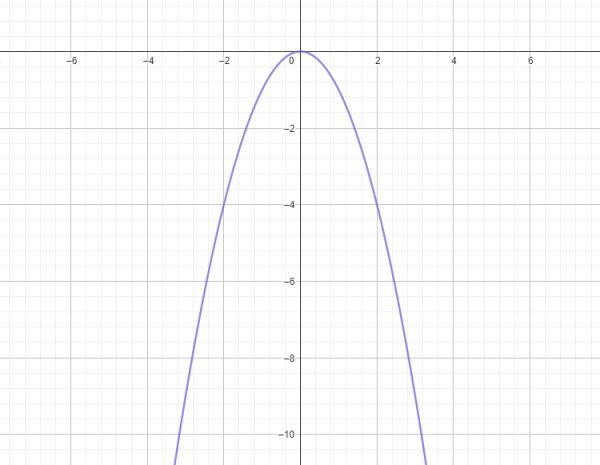
- Convex curve: As with a concave curve, we agreed to call negative curvature convex when the function forms a convex curve when viewed from the top of the image.
Inflection Point
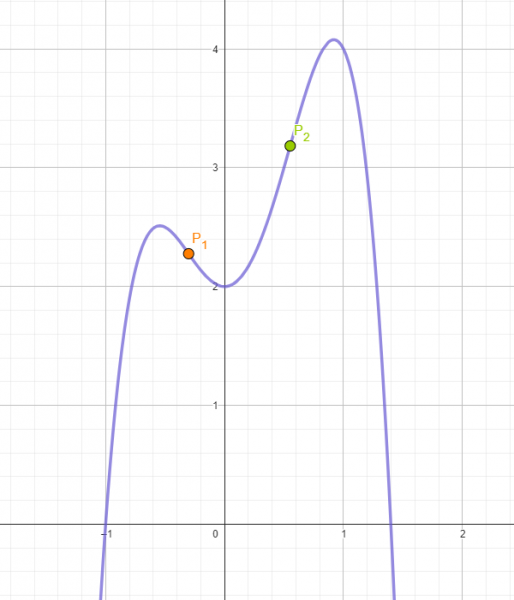
- At the first point, P₁ (the orange one), the curve changes from convex to concave.
- At the second point, P₂ (the green one), the curve changes from concave to convex.
Practice Activities
Many objects can be classified as concave or convex. Look around your house for some, or draw your own concave and convex objects. But I suggest an experiment. Find a metal spoon and see what happens when you look at your reflection in the concave or convex part. It’s a lot of fun!
After reviewing these examples, you can try related activities from the Smartick sessions to practice identifying concave and convex shapes.
Learn More:
- Learn about Open and Closed Curves
- What Are Solid Geometric Shapes or Bodies?
- Discover Geometric Figures Found in Our Environment
- Trapezium-Trapezoid: Definition, Types and Exercises
- Geometric Shapes with Examples





A multidisciplinary and multicultural team made up of mathematicians, teachers, professors and other education professionals!
They strive to create the best math content possible.
- 5 Easy Ways to Understand Concave and Convex Shapes - 10/14/2026
- Learn How to Calculate Speed:5 Useful Usages and Examples - 01/20/2026
- Protractor: What it is and How to Use It - 12/18/2025